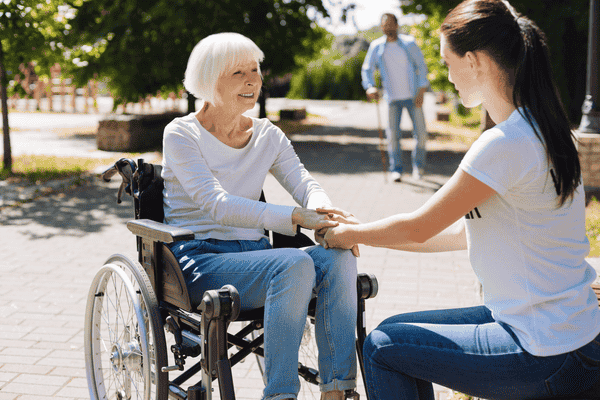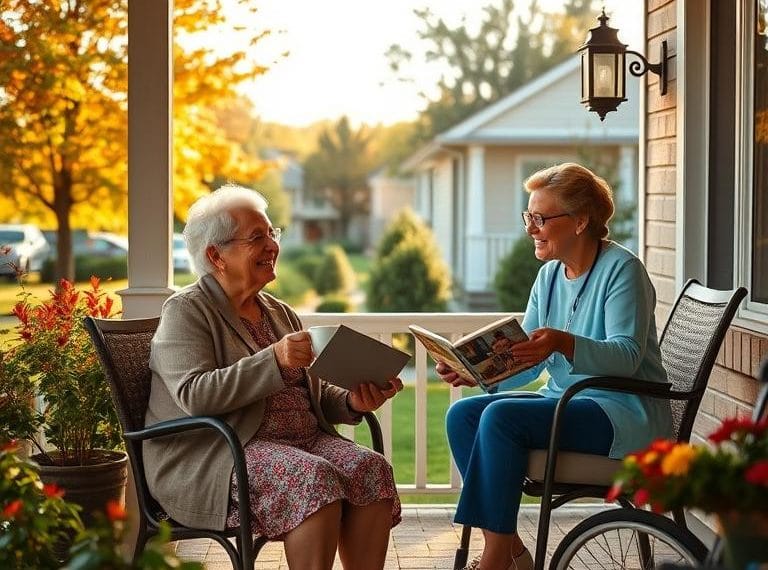
Sarah stood in her mother’s kitchen in Mississauga, watching as her mom struggled to measure out her morning medications. At 82, Margaret had always been fiercely independent, but a recent fall and increasing forgetfulness were causing concern. As Sarah juggled her full-time job in Toronto with weekly visits to help her mother, she found herself at a crossroads familiar to many Ontario families: Should she take on the role of primary caregiver herself, or was it time to consider professional help?
The decision between professional and family caregiving is one of the most significant choices many Ontario families face as their loved ones age. This choice impacts not only the quality of care our seniors receive but also the dynamics of entire families and the well-being of everyone involved. While professional caregivers bring specialized training and expertise, family caregivers offer an irreplaceable personal connection. Understanding the nuances of both options can help you make an informed decision that best serves your loved one’s needs while maintaining family harmony.
Understanding Your Caregiving Options: A Comprehensive Guide
The journey of caregiving in Ontario presents unique challenges and opportunities. Our province’s diverse communities, from bustling urban centers like Toronto and Ottawa to quiet rural areas, each present different caregiving dynamics. Professional care services are generally more readily available in urban areas, while family caregiving networks often play a stronger role in rural communities.
Take the case of the Chen family in Richmond Hill. When Mr. Chen’s Parkinson’s disease progressed, his daughter Linda initially took on all caregiving responsibilities. “I thought I could handle everything – his medical appointments, daily care, and my own family life,” Linda shares. “But after six months, I realized I was burning out. That’s when we decided to explore professional caregiving options, and it turned out to be the best decision for everyone.”
Professional Caregivers: More Than Just Healthcare Providers
Professional caregivers in Ontario typically come with recognized credentials such as Personal Support Worker (PSW) certification or nursing qualifications. These caregivers often work through licensed agencies or independently, offering services that range from basic personal care to specialized medical support. Their training encompasses not just practical skills but also understanding the complex emotional and psychological aspects of caring for seniors.
Maria Rodriguez, a PSW with 15 years of experience in the Greater Toronto Area, explains: “We’re trained to notice subtle changes in our clients’ conditions that family members might miss. Whether it’s slight changes in mobility, eating habits, or cognitive function, our experience helps us identify potential concerns early.” This professional expertise often proves invaluable, especially when dealing with progressive conditions like dementia or complex medical needs.
The scope of professional caregiving services in Ontario typically includes:
Personal care assistance with activities of daily living (ADLs), including bathing, dressing, and grooming, all delivered with dignity and respect for the client’s privacy. Medical support such as medication management, wound care, and coordination with healthcare providers, ensuring adherence to treatment plans. Household management including meal preparation, light housekeeping, and ensuring a safe living environment. Social engagement and companionship, which might involve accompanying clients to community events or medical appointments.
Family Caregiving: The Power of Personal Connection
Family caregiving brings its own unique advantages, particularly in maintaining emotional connections and preserving family traditions. When Tom Watson from Kingston decided to care for his father after a stroke, he discovered strengths he never knew he had. “Dad had always been there for us growing up,” Tom recalls. “Being able to care for him now, knowing his preferences and sharing our family jokes and memories, creates moments of joy even during challenging times.”
Family caregivers often find themselves wearing multiple hats – advocate, nurse, companion, and coordinator. This intimate involvement can lead to highly personalized care that takes into account the senior’s lifetime of habits and preferences. Moreover, family caregiving can help preserve cultural traditions and language preferences, which is particularly important in Ontario’s multicultural communities.
The role of family caregivers typically encompasses:
Emotional support and companionship rooted in shared history and deep understanding. Advocacy in healthcare settings, ensuring their loved one’s wishes and preferences are respected. Coordination of care services, including managing appointments and communications with healthcare providers. Maintaining family connections and social engagement within the community.
Making Your Decision: Practical Considerations
When evaluating your options, several key factors deserve careful consideration to ensure you make the best choice for both your loved one and your family:
Care Needs Assessment
Begin by thoroughly understanding your loved one’s current and anticipated care needs. Professional care might be more appropriate for complex medical conditions, while family caregiving might suffice for primarily companionship and basic assistance. Consider conducting a comprehensive assessment of daily living activities, medical requirements, and cognitive needs. Many Ontario healthcare providers and community care access centers can help with formal assessments to guide your decision-making process.
Financial Considerations and Resources
In Ontario, professional caregiving costs can be significant, though some support may be available through government programs or private insurance. Consider consulting a financial advisor to understand the long-term implications of your care choices. Research available funding options such as the Ontario Health Insurance Plan (OHIP), Veterans Affairs Canada benefits, private insurance coverage, and tax credits for caregivers. Remember to factor in additional costs like specialized equipment, home modifications, or supplementary services.
Time Commitment and Availability
Carefully evaluate the time demands of caregiving and how they align with your other responsibilities. Consider your work schedule, family obligations, and personal commitments. Professional caregivers can provide consistent, scheduled care, while family caregiving requires significant time flexibility. Map out the weekly care requirements and assess whether family members can realistically meet these needs without compromising their own well-being.
Geographic Proximity and Accessibility
Location plays a crucial role in caregiving decisions. Consider the distance between potential caregivers and your loved one’s residence. Family members living far from their loved one might find it challenging to provide regular care, making professional services a more practical choice. Also evaluate the accessibility of healthcare facilities, community services, and support networks in your loved one’s area.
Caregiver Skills and Training Requirements
Assess the level of expertise required for your loved one’s care needs. Some medical conditions demand specialized knowledge and skills that professional caregivers are trained to provide. If family members plan to provide care, consider what training or education they might need. Many community organizations in Ontario offer caregiver training programs and workshops to help family members develop necessary skills.
Cultural and Language Considerations
In Ontario’s diverse communities, cultural compatibility and language skills can significantly impact the quality of care. Consider whether professional caregivers with specific cultural backgrounds or language abilities are available in your area. Family caregivers might be better positioned to maintain cultural traditions and communicate in the preferred language, but professional agencies increasingly offer culturally sensitive care options.
Emotional and Social Impact
The emotional impact on all parties involved deserves careful consideration. Family caregivers often experience both profound satisfaction and significant stress. Professional caregivers can provide valuable respite and support, but the transition might initially be challenging for seniors who prefer family care. Consider how different care arrangements might affect family dynamics, social connections, and the emotional well-being of both the care recipient and caregivers.
Consider Margaret’s story from our opening. Sarah ultimately decided on a combined approach: professional caregiving during weekdays, with family members providing evening and weekend support. This arrangement allowed Sarah to maintain her career while ensuring her mother received consistent, quality care. “The professional caregiver helps Mom with her morning routine and medications, which gives me peace of mind during work hours,” Sarah explains. “When I visit in the evenings and weekends, I can focus on quality time together instead of just tasks and responsibilities.”
Remember that caregiving needs often evolve over time. What works today might need adjustment in the future, and flexibility in your care plan is essential. Schedule monthly care team meetings to review the plan’s effectiveness and make necessary adjustments. Regular communication among all parties – the senior, family members, and professional caregivers – helps ensure that care remains appropriate and effective.
Whether you choose professional caregiving, family caregiving, or a combination of both, the key is to remain focused on your loved one’s well-being while maintaining sustainable care arrangements for everyone involved. Document your experiences and lessons learned to help refine your approach over time. By carefully considering all aspects of care and remaining open to adjusting your approach as needs change, you can create a caregiving solution that works for your unique situation.