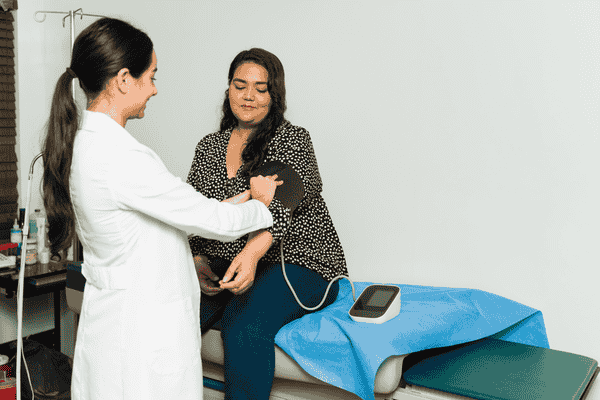
In the heart of Ontario, a province known for its vibrant multiculturalism and welcoming communities, a unique immigration pathway has emerged, offering hope and opportunity to caregivers from around the world. The Ontario Caregiver Immigration Pathway is a beacon of light for individuals who have dedicated their lives to providing care and support to others, and who now seek to build a new life in Canada.
The Caregiver’s Journey
Picture Maria, a young woman from the Philippines who has spent the past five years working as a caregiver in Hong Kong. With a heart full of compassion and a gentle touch, Maria has cared for children, the elderly, and those with special needs, pouring her love and dedication into every moment of her work.
But Maria dreams of more. She yearns for a place to call home, a community where she can put down roots and build a future for herself and her family. That’s when she learns about the Ontario Caregiver Immigration Pathway, a program designed to recognize the invaluable contributions of caregivers like herself and provide them with a pathway to permanent residence in Canada.
Understanding the Different Pathways
The caregiver immigration program in Ontario offers various pathways for individuals seeking to immigrate to Canada and work as caregivers. These pathways provide opportunities for qualified caregivers to obtain permanent residence in Ontario. Let’s explore the different options available.
Live-in Caregiver Program (LCP) Updates
In the past, the Live-in Caregiver Program (LCP) was a popular pathway for caregivers to immigrate to Ontario. Under this program, caregivers were required to live in the homes of their employers and provide care for children, the elderly, or people with disabilities. After completing two years of full-time employment, caregivers could apply for permanent residence.
However, the LCP is no longer accepting new applications. Existing LCP caregivers who have already started their journey can still apply for permanent residence, but the program is closed to new candidates. This change reflects the evolving needs of the caregiver industry and the desire to provide more flexible options for both caregivers and employers.
Home Child Care Provider and Home Support Worker Pilots
In response to the closure of the LCP, two new pilot programs have been introduced: the Home Child Care Provider Pilot and the Home Support Worker Pilot. These pilots aim to address the significant shortage of caregivers in Canada while providing a more streamlined pathway to permanent residence for qualified individuals.
Under these pilot programs, caregivers no longer need to live in the homes of their employers. Instead, they can choose to live independently while providing care services. This change offers greater flexibility and autonomy for caregivers, allowing them to maintain a better work-life balance and pursue their own goals and aspirations.
Requirements and Application Process
To embark on the Ontario Caregiver Immigration Pathway, caregivers must meet specific eligibility criteria and navigate the application process. Let’s delve into the details.
Eligibility Criteria
To be eligible for the caregiver immigration program in Ontario, caregivers must demonstrate that they have the necessary qualifications and experience to provide high-quality care. The specific requirements may vary depending on the pathway chosen, but generally include:
- Work Experience: Caregivers must have a certain amount of full-time work experience in the field of caregiving. This could include experience caring for children, the elderly, or individuals with disabilities.
- Language Proficiency: Caregivers must demonstrate proficiency in either English or French, the two official languages of Canada. This is typically assessed through language tests such as the International English Language Testing System (IELTS) or the Canadian English Language Proficiency Index Program (CELPIP).
- Education: While formal education requirements may vary, caregivers are generally expected to have completed at least a secondary school education or its equivalent.
- Health and Character: Caregivers must undergo medical examinations and provide police clearances to ensure they are in good health and have no criminal history that would make them inadmissible to Canada.
Navigating the Application Process
Once a caregiver has determined their eligibility, the next step is to navigate the application process. This involves submitting the necessary forms and documentation to Immigration, Refugees and Citizenship Canada (IRCC), the government department responsible for immigration matters.
The application process can be complex and time-consuming, requiring careful attention to detail and a thorough understanding of the requirements. Caregivers must ensure that they provide all the necessary information and supporting documents, such as proof of work experience, language test results, and educational credentials.
It is important to note that processing times for caregiver immigration applications can vary, and caregivers should be prepared for potential waiting periods. Patience and perseverance are key, as the journey to permanent residence may take some time.
Seeking Assistance
Given the complexity of the caregiver immigration process, many individuals choose to seek assistance from immigration professionals or consultants who specialize in this area. These experts can provide valuable guidance and support throughout the application process, helping caregivers navigate the requirements and increase their chances of success.
It is crucial to choose a reputable and qualified immigration professional who is registered with the Immigration Consultants of Canada Regulatory Council (ICCRC) or a Canadian lawyer who is a member of a provincial or territorial law society. These professionals are bound by strict ethical standards and have the knowledge and expertise to provide reliable advice and representation.
Understanding Laws and Regulations
As caregivers embark on their journey to permanent residence in Ontario, it is essential for them to understand the laws and regulations surrounding caregiver employment in Canada. These laws are in place to protect the rights of caregivers and ensure they are treated fairly and with respect.
In Ontario, caregivers are covered by the Employment Standards Act, which sets out minimum standards for wages, hours of work, overtime pay, and other employment conditions. Caregivers are entitled to the same rights and protections as other workers, including the right to a safe and healthy work environment, freedom from discrimination and harassment, and access to employment insurance and other benefits.
It is important for caregivers to familiarize themselves with their rights and obligations under the law, and to speak up if they experience any mistreatment or violations of their rights. There are resources and support services available to caregivers who need assistance, including legal clinics, community organizations, and government agencies.
Implications of the Changes for Permanent Residence
Recent changes to the caregiver immigration program in Ontario have significant implications for individuals seeking permanent residence. These changes have relaxed the work experience requirements, making it easier for caregivers to qualify for permanent residence. However, it is important to understand the potential benefits and drawbacks of these changes.
Benefits of the Changes
The relaxation of the work experience criteria provides several benefits for caregivers. It allows individuals who have gained valuable caregiving experience within a shorter duration to apply for permanent residence. This is particularly advantageous for caregivers who have worked in the field for a few years but may not have met the previous, more stringent requirements.
Furthermore, the changes recognize the broader range of caregiving experience, including work with children, the elderly, and individuals with disabilities. This inclusive approach acknowledges the diverse skills and expertise of caregivers and provides more opportunities for them to qualify for permanent residence.
Drawbacks to Consider
While the revised work experience requirement offers advantages, caregivers should also be aware of certain drawbacks. With a lower threshold for work experience, competition among applicants may increase. More caregivers may now be eligible to apply, which could lead to longer processing times and a more competitive selection process.
Additionally, the changes may raise concerns about the potential for abuse or misuse of the program. Some critics argue that the relaxed requirements could make it easier for individuals to enter Canada under the guise of caregiving without the necessary skills or intentions to provide quality care.
Considerations for a Successful Application
To increase the likelihood of a successful application under the new requirements, caregivers should focus on showcasing their expertise and experience. It is important to highlight the quality of caregiving services provided, emphasizing any specialized skills or training acquired.
Caregivers should also demonstrate their commitment to the field and their plans for contributing to the Canadian workforce and society. This could include outlining their goals for professional development, community involvement, and long-term integration into Canadian life.
Furthermore, caregivers should ensure that they have a strong support network in place, both in Canada and in their home countries. This could include family members, friends, or community organizations that can provide emotional support and practical assistance throughout the immigration process.
Conclusion
The Ontario Caregiver Immigration Pathway offers a unique and valuable opportunity for caregivers from around the world to build a new life in Canada. By recognizing the important contributions of caregivers and providing them with a pathway to permanent residence, Ontario is demonstrating its commitment to creating a welcoming and inclusive society.
For caregivers like Maria, the changes to the work experience requirements bring new hope and possibility. With a more accessible pathway to permanent residence, Maria can now dream of a future where she can continue to provide compassionate care while also building a stable and fulfilling life for herself and her loved ones.
As caregivers navigate the immigration process, it is important for them to understand the requirements, seek support when needed, and advocate for their rights and well-being. By working together, caregivers, employers, and government agencies can create a system that values and supports the vital work of caregiving while also promoting the success and integration of caregivers into Canadian society.
In the end, the Ontario Caregiver Immigration Pathway is more than just a bureaucratic process. It is a testament to the strength, resilience, and compassion of caregivers who have dedicated their lives to serving others. It is a recognition of the immeasurable value they bring to our communities and our world. And it is a promise of a brighter future, where caregivers can thrive, and where the bonds of care and compassion know no borders.