As the summer sun blazes in all its glory, painting the sky with vibrant hues of orange and gold, it brings with it not just the promise of long, lazy days but also a hidden danger that lurks in the shimmering heat waves. For our beloved seniors, the sweltering temperatures of summer can be more than just an inconvenience – they can pose a serious threat to health and well-being. Imagine a scorching summer day, the kind where the air feels thick and heavy, and the pavement radiates heat like a furnace. On days like these, our aging loved ones face an increased risk of heat-related illnesses that can sneak up as stealthily as a cat in the night.
But fear not, for knowledge is power, and with the right information and strategies, we can create a shield of protection around our seniors, ensuring they not only survive but thrive during the hottest months of the year. This comprehensive guide on ‘Senior Safety in Hot Weather’ is designed to arm you with the wisdom and practical tools needed to keep your aging loved ones safe, comfortable, and healthy when the mercury rises. So, let’s embark on this journey together, exploring the nuances of heat’s impact on older adults and discovering the golden rules of summer safety for seniors.
Understanding the Impact of Heat on Older Adults’ Health
To truly grasp the importance of senior safety in hot weather, we must first delve into the unique ways heat affects the aging body. Let’s paint a picture with the story of Mary, a vibrant and spirited 75-year-old whose zest for life is as colorful as the flowers in her beloved garden.
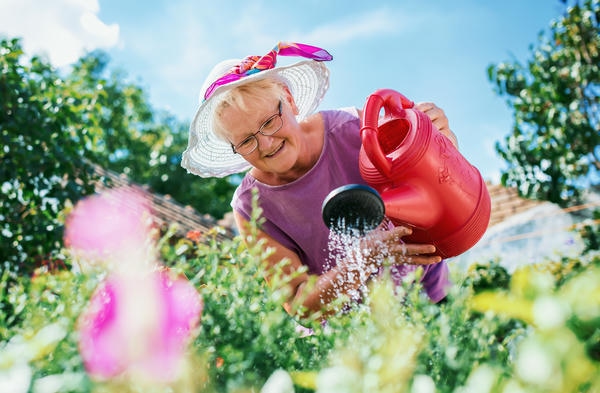
Mary has always found solace in nurturing her little patch of earth, coaxing life from seeds and watching with pride as her efforts bloom into a riot of colors. On one particularly sweltering summer afternoon, as the sun beat down mercilessly from a cloudless sky, Mary ventured out to tend to her precious plants. The air was thick with humidity, and the leaves of her flowers drooped under the weight of the heat.
As Mary carefully watered each plant, whispering words of encouragement to her green companions, she began to feel a strange dizziness creeping over her. The world seemed to tilt slightly, and the colors of her beloved flowers blurred at the edges. Mary brushed it off, attributing the sensation to the exertion of gardening in the heat. “Just a little tired,” she thought to herself, unaware that her body was sending urgent signals of distress.
What Mary didn’t realize in that moment was that she was experiencing the early signs of a heat-related illness. Like many older adults, Mary’s body doesn’t adjust as efficiently to sudden temperature changes as it once did. The natural aging process brings with it a decrease in the body’s ability to regulate internal temperature, making seniors particularly vulnerable to the effects of extreme heat.
The Physiology of Aging and Heat Sensitivity
Dr. Elena Rodriguez, a geriatrician specializing in environmental health impacts on seniors, explains, “As we age, our bodies undergo several changes that affect our ability to cope with heat. The sweat glands, which play a crucial role in cooling the body, become less efficient. Additionally, the body’s ability to circulate blood effectively diminishes, making it harder to move heat away from the core to the skin where it can be released.”
These physiological changes are further compounded by the chronic health conditions many seniors face. Conditions such as diabetes, heart disease, and respiratory issues can significantly impair the body’s natural cooling mechanisms. Moreover, certain medications commonly prescribed to older adults can interfere with temperature regulation or increase susceptibility to dehydration.
Dr. Rodriguez continues, “It’s a perfect storm of vulnerabilities. The aging body is less equipped to handle heat stress, and the very conditions and treatments meant to keep seniors healthy can inadvertently increase their risk during hot weather.”
Recognizing the Silent Threat: Dehydration in Seniors
One of the most insidious dangers lurking in hot weather is dehydration. For seniors like Mary, the risk of dehydration is particularly high, not just because of the heat but also due to changes in the body’s ability to sense thirst.
The Subtle Signs of Dehydration
As we return to Mary’s story, let’s fast forward to that evening. After her bout of dizziness in the garden, Mary retreated indoors, feeling unusually fatigued. Her daughter Sarah, who had come for her weekly visit, noticed something off about her mother. Mary’s usually bright eyes seemed dull, and her skin had lost its usual healthy glow.
Sarah, having recently read about the dangers of dehydration in seniors, began to connect the dots. She observed that her mother’s lips were dry and cracked, and when Mary spoke, her voice was raspier than usual. These subtle signs, easily overlooked, were red flags signaling that Mary’s body was crying out for hydration.
The signs of dehydration in older adults can be subtle and easily mistaken for other conditions. Some key symptoms to watch for include:
- Increased thirst (though it’s important to note that older adults may not feel thirsty even when dehydrated)
- Dry mouth and lips
- Dark-colored urine or decreased urine output
- Fatigue and weakness
- Dizziness and confusion
- Dry, less elastic skin
- Headaches
- Rapid heartbeat or breathing
Sarah’s vigilance potentially saved her mother from a more serious heat-related illness. She quickly encouraged Mary to drink water and provided her with a sports drink rich in electrolytes. “Mom, you need to drink this,” Sarah insisted gently. “I think you might be dehydrated from working in the garden earlier.”
Golden Rules for Keeping Seniors Cool and Hydrated
Preventing situations like Mary’s requires a proactive approach to senior safety in hot weather. Here are some golden rules and preventive measures to ensure our aging loved ones stay cool and well-hydrated during the scorching summer months:
1. Prioritize Hydration
Encourage seniors to drink fluids regularly throughout the day, even if they don’t feel thirsty. Water is the best choice, but other hydrating options include herbal teas, fresh fruit juices, and clear broths. Dr. Rodriguez suggests, “A good rule of thumb is to drink at least 8 glasses of fluid a day, but this may need to be increased in hot weather or if the senior is taking medications that have a diuretic effect.”
2. Create a Hydration-Friendly Environment
Make water and other hydrating beverages easily accessible. Consider setting up hydration stations around the house with water bottles or glasses of fresh water. For seniors with mobility issues, ensure that drinks are within easy reach.
3. Dress for the Weather
Lightweight, loose-fitting, and light-colored clothing can help the body stay cool. Natural fabrics like cotton are preferable as they allow the skin to breathe. Don’t forget a wide-brimmed hat and sunglasses for outdoor excursions.
4. Time Outdoor Activities Wisely
Plan any outdoor activities for the cooler parts of the day – early morning or late evening. If venturing out during peak sun hours is unavoidable, ensure plenty of shade and regular hydration breaks.
5. Create a Cool Living Space
Utilize fans and air conditioning to keep living areas cool. If air conditioning is not available, consider spending the hottest parts of the day in public spaces that are air-conditioned, such as libraries or shopping centers.
6. Monitor Medications
Some medications can affect the body’s ability to regulate temperature or increase the risk of dehydration. Review all medications with a healthcare provider and be aware of any that might require extra precautions in hot weather.
7. Stay Connected
Regular check-ins with seniors during hot weather are crucial. Establish a buddy system with neighbors or set up daily phone calls to ensure your loved one is coping well with the heat.
Understanding Heat-Related Illnesses in the Elderly
While dehydration is a significant concern, it’s just one part of the spectrum of heat-related illnesses that can affect seniors. Understanding these conditions is crucial for early intervention and prevention.
Heat Cramps: The First Warning
Let’s introduce Rita, a spry 78-year-old who loves her evening exercises. One balmy summer evening, as Rita was going through her usual routine of gentle stretches and light aerobics in her backyard, she suddenly felt a sharp, painful cramp in her calf muscle.
These heat cramps, while painful, are often the mildest and earliest form of heat-related illness. They occur when the body loses too much salt and moisture through sweating. For seniors like Rita, who may already have electrolyte imbalances due to medications or chronic conditions, heat cramps can be an important early warning sign.
Heat Exhaustion: A More Serious Threat
As we move up the severity scale, we encounter heat exhaustion. This condition can develop over several days of exposure to high temperatures and inadequate fluid intake.
John, an 80-year-old retiree, prided himself on maintaining his daily walking routine, rain or shine. One particularly hot week, John noticed he was feeling more tired than usual after his walks. By Friday, as he returned from his usual route, he felt dizzy and nauseous. His wife noticed his flushed face and rapid breathing.
Symptoms of heat exhaustion include:
- Heavy sweating
- Rapid pulse
- Dizziness
- Headache
- Nausea or vomiting
- Cool, moist skin with goose bumps when in the heat
John’s wife recognized these symptoms from a senior safety seminar she had attended at their local community center. She immediately helped John to a cool area, gave him water to sip slowly, and applied cool, damp cloths to his skin. Her quick action likely prevented John’s condition from escalating to the most dangerous form of heat-related illness: heat stroke.
Heat Stroke: A Medical Emergency
Heat stroke occurs when the body’s temperature-regulating system fails and body temperature rises to 104°F (40°C) or higher. This is a life-threatening emergency that requires immediate medical attention.
Symptoms of heat stroke include:
- High body temperature (104°F or higher)
- Altered mental state or behavior
- Alteration in sweating
- Nausea and vomiting
- Flushed skin
- Rapid breathing
- Racing heart rate
- Headache
Dr. Rodriguez emphasizes, “Heat stroke is a medical emergency. If you suspect someone is experiencing heat stroke, call emergency services immediately and take immediate steps to cool the person while waiting for help to arrive.”
Practical Guidelines for Caregivers
Caregivers play a crucial role in protecting seniors from the dangers of hot weather. Whether you’re a family member, professional caregiver, or concerned friend, here are some practical guidelines to help you navigate the challenges of keeping seniors safe in the heat:
1. Stay Informed
Keep abreast of weather forecasts and heat advisories. Many communities offer heat alert systems that can provide early warnings of dangerous weather conditions.
2. Create a Cool Environment
Ensure the senior’s living space is well-ventilated and cool. Use fans strategically to circulate air, and consider blackout curtains or shades to keep out the sun’s heat during the hottest parts of the day.
3. Plan Indoor Activities
During heat waves, encourage indoor activities that keep seniors engaged and entertained without exposing them to extreme temperatures. This could include reading clubs, indoor gardening projects, or gentle exercise routines designed for indoor spaces.
4. Prepare for Power Outages
Summer heat waves can sometimes lead to power outages. Have a plan in place that includes backup power sources for essential medical equipment and alternative cooling methods.
5. Know the Signs
Familiarize yourself with the signs and symptoms of heat-related illnesses. Quick recognition can lead to prompt treatment and potentially save lives.
6. Encourage Social Connections
Isolation can increase the risk of heat-related illnesses going unnoticed. Encourage regular social interactions, even if they’re virtual, to ensure someone is checking in on the senior regularly.
Conclusion: A Community Approach to Senior Safety
As we reflect on the stories of Mary, Rita, and John, it becomes clear that protecting our seniors from the dangers of hot weather is not just an individual responsibility but a community effort. By understanding the unique challenges that heat poses to older adults, recognizing the signs of heat-related illnesses, and implementing preventive measures, we can create a safety net that allows our seniors to enjoy the summer months without undue risk.
Remember, staying hydrated and cool isn’t just about comfort – it’s a vital aspect of senior health and well-being. As we face increasingly hot summers due to climate change, the importance of these safety measures will only grow.
Let’s commit to making this summer, and every summer, a safe and enjoyable season for our cherished older family members and neighbors. By working together, staying informed, and taking proactive steps, we can ensure that the golden years of our loved ones are filled with the warmth of summer days, not the danger of summer heat.