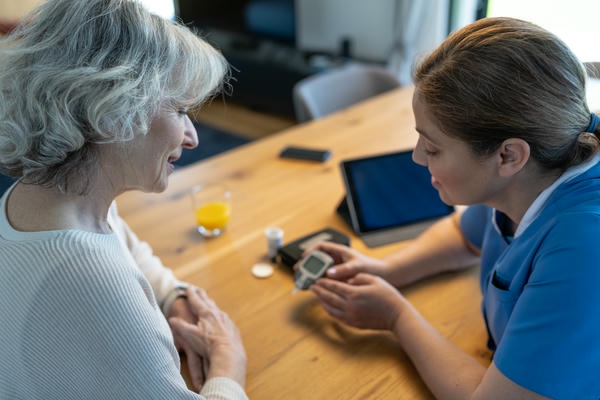
As a healthcare consultant with over fifteen years of experience working with patients across diverse care settings, I’ve witnessed countless moments where understanding vital signs transformed anxiety into empowerment. I vividly remember Mrs. Thompson, an 82-year-old grandmother who initially felt overwhelmed by her doctor’s request to monitor her vital signs at home. “It all seemed like complex medical jargon at first,” she confided during one of our early sessions. Today, she confidently tracks her measurements and even teaches her peers at the local senior center.
Rebecca, a retired teacher living in a small community, shared her perspective during one of our consultations: “When my doctor first mentioned home monitoring, I thought it would be overwhelming. But now, it’s become my way of staying connected to my health journey, especially living far from major medical centers.”
Understanding the Fundamentals of Vital Sign Monitoring: Your Body’s Communication System
Think of vital signs as your body’s sophisticated messaging system, constantly providing updates about your overall health status. Dr. James Chen, a veteran internal medicine physician I’ve collaborated with for over a decade, explains it eloquently: “Vital signs are like a universal language your body speaks. When we learn to interpret this language correctly, we gain invaluable insights into our health status that can guide both preventive care and treatment decisions.”
Our bodies maintain a delicate balance of various physiological processes, each contributing to our overall health. This complex interplay creates measurable indicators – our vital signs – that reflect our body’s current state. Understanding these measurements helps both healthcare providers and patients make informed decisions about health management.
The Core Components of Vital Sign Tracking: A Comprehensive Overview
Temperature Monitoring: Beyond Hot and Cold
Body temperature regulation is a fascinating process that involves multiple body systems working in harmony. Normal body temperature typically ranges between 97.8°F (36.5°C) and 99°F (37.2°C), though this can vary based on factors like time of day, activity level, and individual physiology.
Tom, a former marathon runner I worked with, shared an interesting insight: “After years of training, I noticed my baseline temperature was slightly lower than average. Understanding this helped me better interpret when something was truly off.” This highlights the importance of knowing your personal normal range.
Maria, a grandmother of three, recalled how tracking her temperature helped her navigate post-surgery recovery: “I kept a detailed log, noting not just the numbers but how I felt. One morning, I noticed my temperature was slightly elevated – nothing dramatic, but combined with feeling more tired than usual, it prompted me to contact my healthcare provider. That early detection helped prevent what could have become a serious post-operative complication.”
Practical Temperature Monitoring Tips:
- Use consistent measurement methods and times
- Record any relevant factors (recent exercise, meals, medications)
- Note patterns in your daily temperature fluctuations
Pulse Rate Monitoring: The Heart’s Story
Your pulse rate reveals intricate details about your cardiovascular health and overall wellness. Working with Sarah, a yoga instructor managing hypertension, taught me the importance of context in pulse rate interpretation. “I discovered that my morning readings were most reliable for tracking my condition’s progress,” she explained. “Post-teaching readings varied too much to be useful benchmarks.”
James, an active 70-year-old managing heart disease, discovered this firsthand: “My nurse taught me to check my pulse not just in the morning, but also after my daily walk. Over time, I noticed how different activities affected my heart rate. This knowledge helped me pace my activities better and know when to take breaks.”
Understanding Pulse Variations:
- Normal resting rates typically range from 60-100 beats per minute
- Athletes often have lower resting heart rates
- Emotional state and physical activity significantly impact readings
Breathing Rate Assessment: The Silent Indicator
Respiratory rate, often called the “forgotten vital sign,” deserves special attention. During my tenure at a pulmonary rehabilitation center, I learned from Dr. Maria Rodriguez that breathing patterns can reveal early signs of various conditions, from anxiety to serious respiratory issues.
“Watch how breathing changes with position and activity,” she would advise. “It tells us more than just numbers.” This insight has helped countless patients better understand their body’s oxygen needs.
Blood Pressure Monitoring: The Window to Cardiovascular Health
Blood pressure readings provide crucial information about your circulatory system’s health. Mr. Wilson, a retired teacher I worked with, initially struggled with blood pressure monitoring until we developed a systematic approach. “Understanding that my readings naturally fluctuate throughout the day helped me avoid unnecessary panic,” he shared.
Bridging Traditional and Modern Monitoring Methods
The landscape of vital sign monitoring has evolved significantly, blending traditional wisdom with modern technology. Howard, an 85-year-old former engineer, uses a combination of digital and manual methods: “I love my smart blood pressure monitor that syncs with my phone, but I also keep a paper journal. The technology makes it easy to share data with my doctor, while writing things down helps me stay more mindful of my health.”
Dr. Rachel Thompson, a geriatrician I frequently collaborate with, notes: “The best monitoring system is one that the patient will actually use consistently. Sometimes that means using the latest apps, while for others, it might mean a simple notebook and pencil. What matters most is regular, accurate recording and understanding of the measurements.”
Making Vital Sign Monitoring Part of Daily Life
Creating Sustainable Monitoring Routines
Success in vital sign monitoring comes from developing manageable routines. Lisa, a busy professional managing diabetes, found success by integrating monitoring into her morning routine: “I keep my equipment next to my coffee maker. While my coffee brews, I take my readings. It’s become as natural as checking my email.”
Technology and Tools: Finding What Works for You
Modern technology offers various options for vital sign monitoring. However, the best tool is the one you’ll actually use consistently. Consider:
- Digital vs. manual devices
- Connectivity features for data tracking
- Ease of use and accuracy
- Cost and maintenance requirements
Professional Support and Guidance
Building a Partnership with Healthcare Providers
Regular communication with healthcare providers enhances the value of home monitoring. Dr. Anderson, a family physician I often consult with, emphasizes the importance of this partnership: “When patients bring their vital sign logs to appointments, it’s like having a window into their daily health status. It helps us make more informed decisions together.”
Understanding Emergency Signals
Knowing when to seek immediate medical attention is crucial. Through years of experience, I’ve developed a simple framework for patients:
Red Flags That Warrant Immediate Action:
- Sudden, significant changes in any vital sign
- Multiple vital signs showing concerning changes
- Persistent readings outside your established normal range
- Accompanying symptoms like chest pain or severe shortness of breath